Lead-Safe Renovation for Homes Built Before 1978
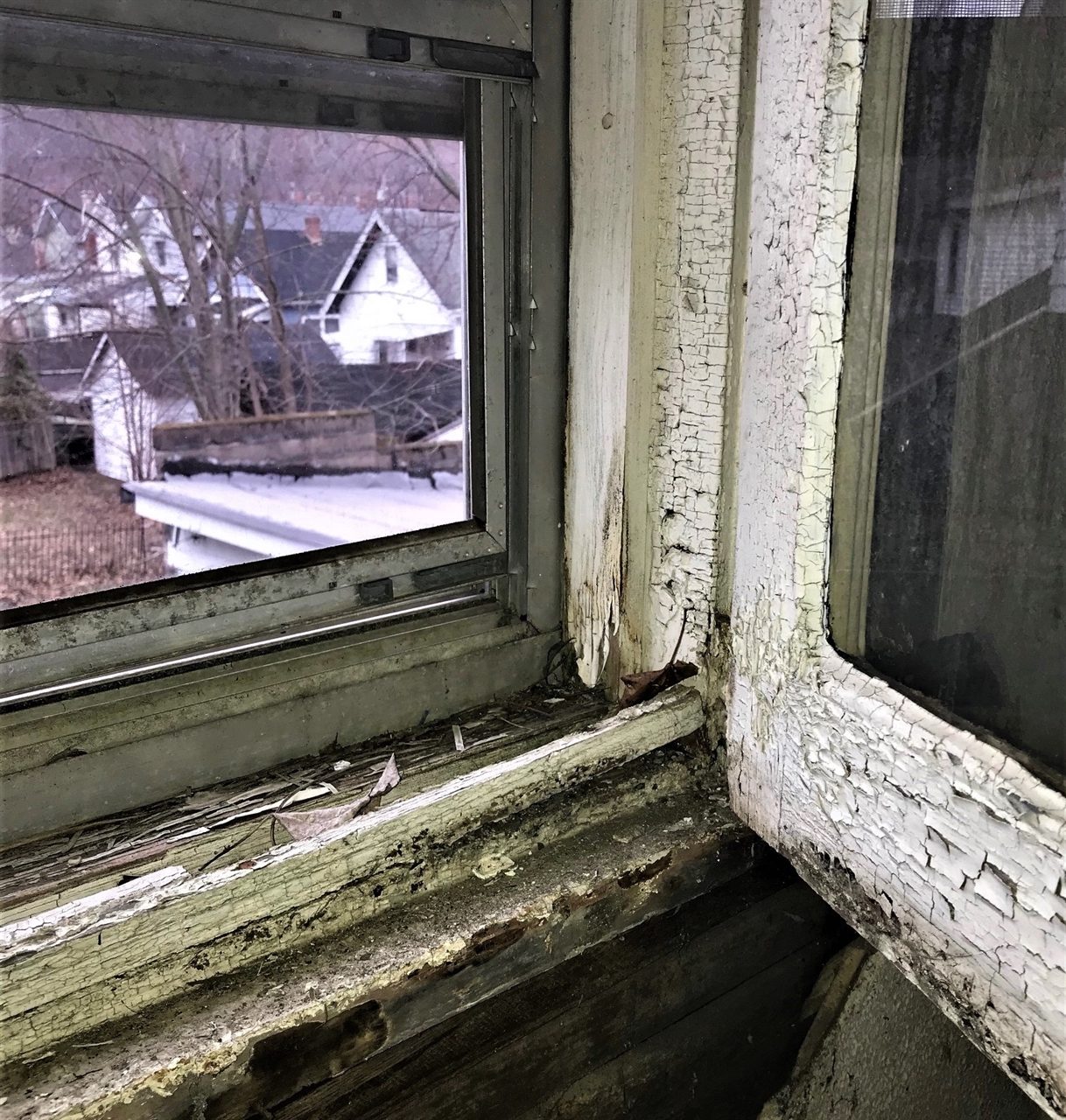
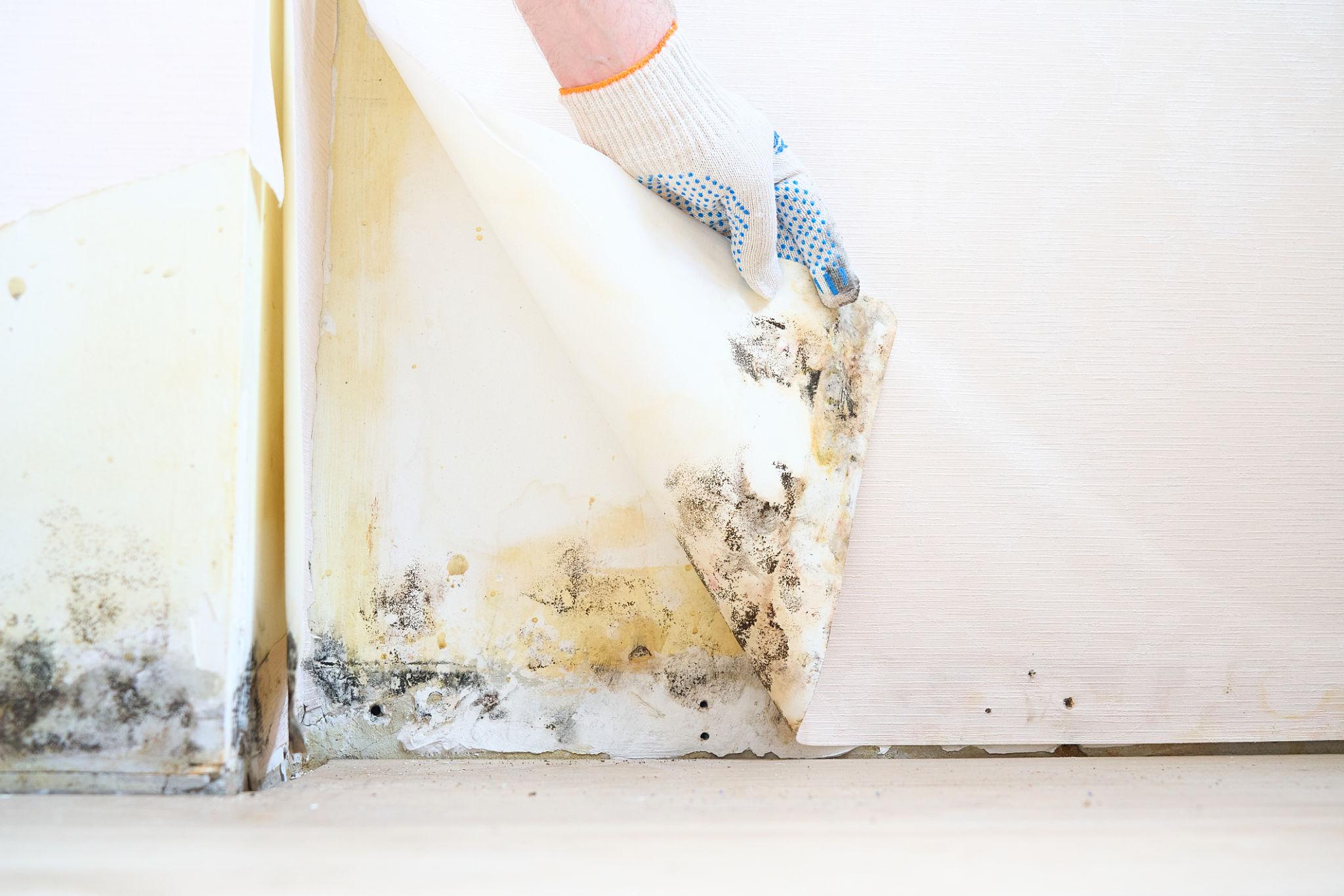
Lead exposure is a serious health concern in homes and buildings constructed before 1978, when lead-based paint was commonly used on walls, trim, doors, and windows. During renovation or repair work, disturbing these painted surfaces can release microscopic lead particles into the air. These particles settle as dust throughout the property and may remain long after the project is completed if proper safety procedures are not followed.
Lead dust is particularly dangerous for young children and pregnant women, as even small amounts of exposure can affect brain development, behavior, and overall health. Because lead particles are extremely small and often invisible, they can easily spread through air movement, HVAC systems, or foot traffic during construction.
For this reason, renovation projects in older homes must follow strict safety procedures designed to control dust and protect occupants.
The U.S. Environmental Protection Agency established the EPA Renovation, Repair and Painting Rule (RRP) to regulate renovation activities in properties that may contain lead-based paint. This federal rule requires contractors working in pre-1978 homes, apartments, schools, and child-occupied facilities to be trained and certified in lead-safe renovation practices.
Hiring an RRP-certified contractor ensures that renovation work is performed using methods that reduce the spread of hazardous lead dust while maintaining compliance with federal regulations.
What Is Lead-Safe Renovation?
Lead-safe renovation refers to a set of procedures designed to control dust and protect indoor environments during remodeling or repair work. Certified contractors follow specific protocols to contain work areas, reduce dust generation, and perform thorough cleanup once the project is complete.
These procedures help prevent contamination that could otherwise spread throughout a home or commercial building.
Containment and Work Area Protection
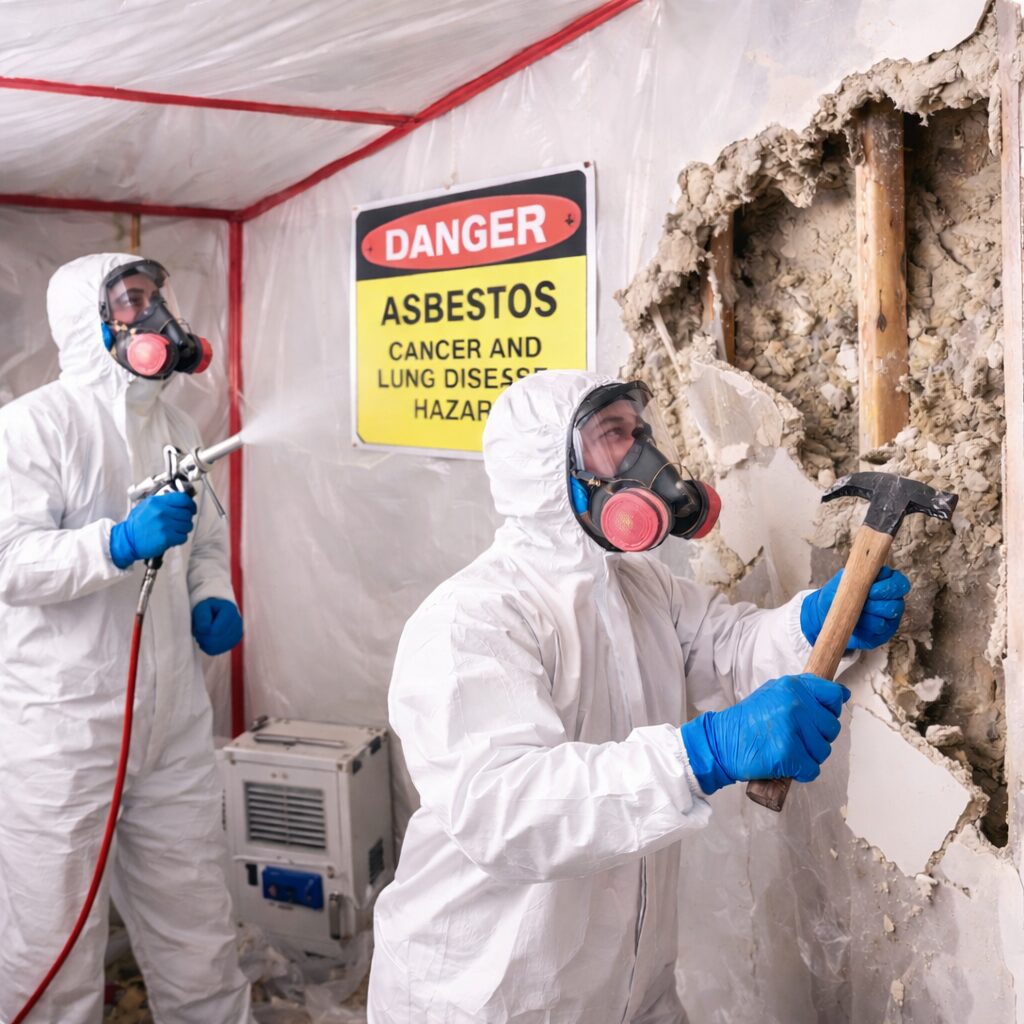
Before renovation begins, certified professionals establish containment barriers to isolate the work area. Floors, doorways, vents, and nearby surfaces are sealed with protective materials to prevent lead dust from traveling into other parts of the building.
This containment system protects both occupants and workers by limiting the spread of hazardous particles during construction activities.
Dust Control and Specialized Equipment
Lead-safe renovation requires specialized equipment and work methods that minimize dust generation. Contractors use tools designed for controlled removal and often employ HEPA-filtered vacuums to capture extremely fine particles that standard vacuums cannot filter.
Using proper tools and procedures significantly reduces the amount of airborne dust produced during renovation work.
Professional Cleaning and Final Cleanup
After renovation activities are complete, the work area undergoes detailed cleaning procedures. Surfaces within the containment area are vacuumed with HEPA equipment and wiped using approved cleaning methods designed to remove fine lead dust.
Proper cleanup ensures that the space is safe for occupants to return once the renovation work has finished.
Benefits of Hiring an RRP-Certified Contractor
Working with a certified lead-safe contractor provides several important advantages for homeowners and property managers.
Health Protection for Families and Occupants
Lead-safe practices help prevent harmful exposure, especially for children whose developing nervous systems are most vulnerable to lead contamination.
Lead-safe practices help prevent harmful exposure, especially for children whose developing nervous systems are most vulnerable to lead contamination.
Compliance with Federal Renovation Regulations
Certified contractors follow the required procedures established under the EPA’s RRP rule, ensuring that renovation projects meet federal safety standards.
Certified contractors follow the required procedures established under the EPA’s RRP rule, ensuring that renovation projects meet federal safety standards.
Safer Indoor Environments During Renovation
Containment barriers, HEPA filtration, and controlled work practices help keep living and working spaces cleaner throughout the project.
Containment barriers, HEPA filtration, and controlled work practices help keep living and working spaces cleaner throughout the project.
Reduced Long-Term Health Risks
Thorough cleaning and dust control methods reduce the risk of lingering contamination after renovation work is completed.
Thorough cleaning and dust control methods reduce the risk of lingering contamination after renovation work is completed.
When Lead Hazards Commonly Occur
Lead hazards most often arise when painted surfaces are disturbed during renovation projects. Activities such as sanding, scraping, cutting, demolition, or window replacement can release lead dust if proper precautions are not taken.
Because these hazards are not always visible, working with trained professionals is critical for maintaining a safe environment.
Lead-safe renovation ensures that improvement projects can move forward while protecting the health of everyone inside the building. By following certified procedures for containment, dust control, and cleanup, renovation work can be completed safely, responsibly, and in compliance with federal standards—helping keep homes and workplaces healthy for years to come.