Understanding the Mold Remediation Process: From Inspection to Prevention
Mold growth is a common issue in both residential and commercial buildings, particularly in areas where moisture is present. Whether caused by water damage, plumbing leaks, or high humidity, mold can spread quickly and create both structural concerns and indoor air quality issues. Because of these risks, proper mold remediation requires a structured and professional approach rather than simple surface cleaning.
At Vortex Environmental LLC, our mold remediation process focuses on contamination control, occupant health protection, and long-term environmental stability. Our workflow follows IICRC S520 industry standards and OSHA safety guidelines, helping ensure mold contamination is addressed responsibly and effectively.
Why Mold Problems Occur
Mold thrives in environments where moisture and organic materials are present. Building materials such as drywall, wood, carpet, and insulation can all provide a food source for mold when they become damp.
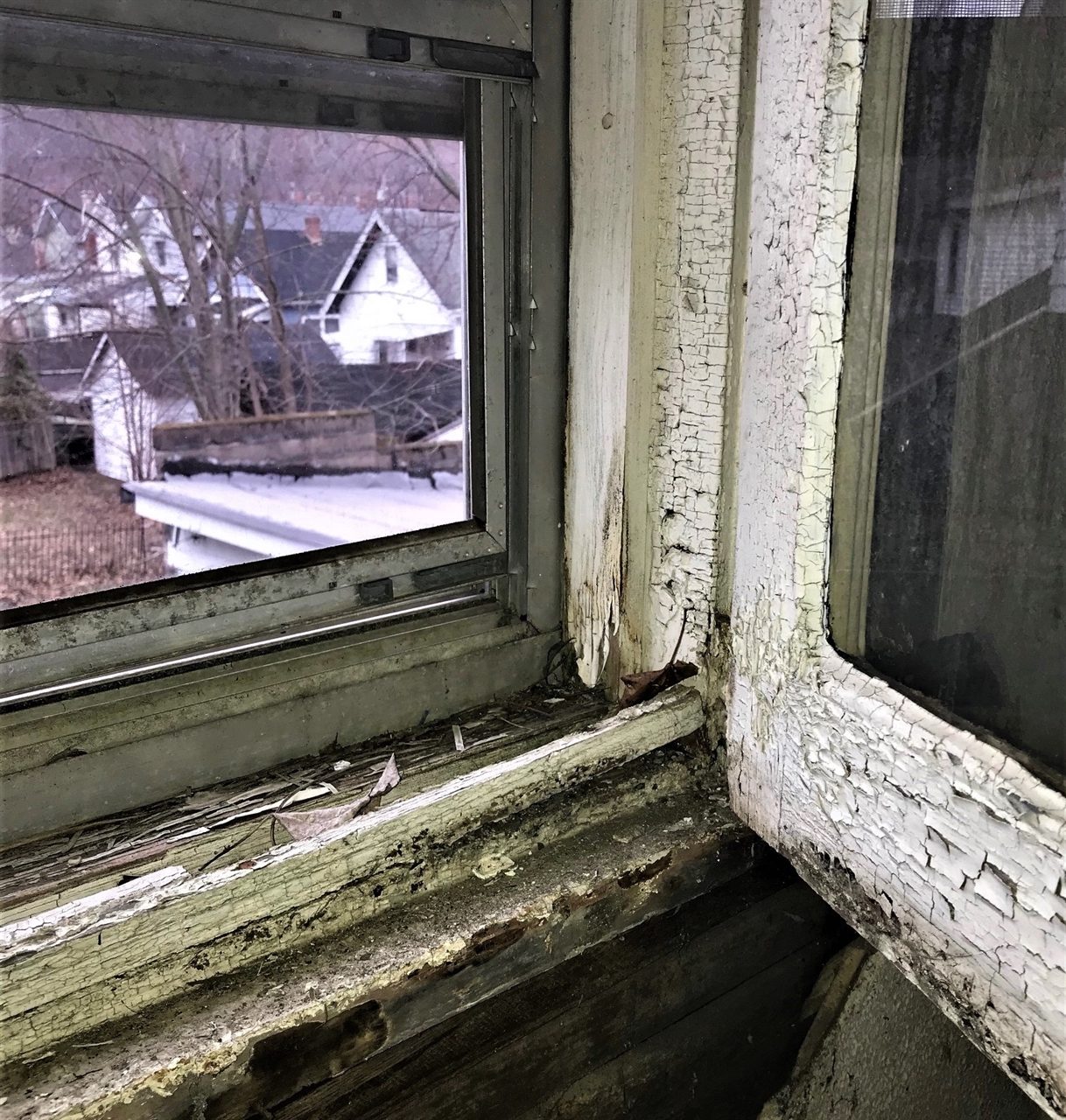
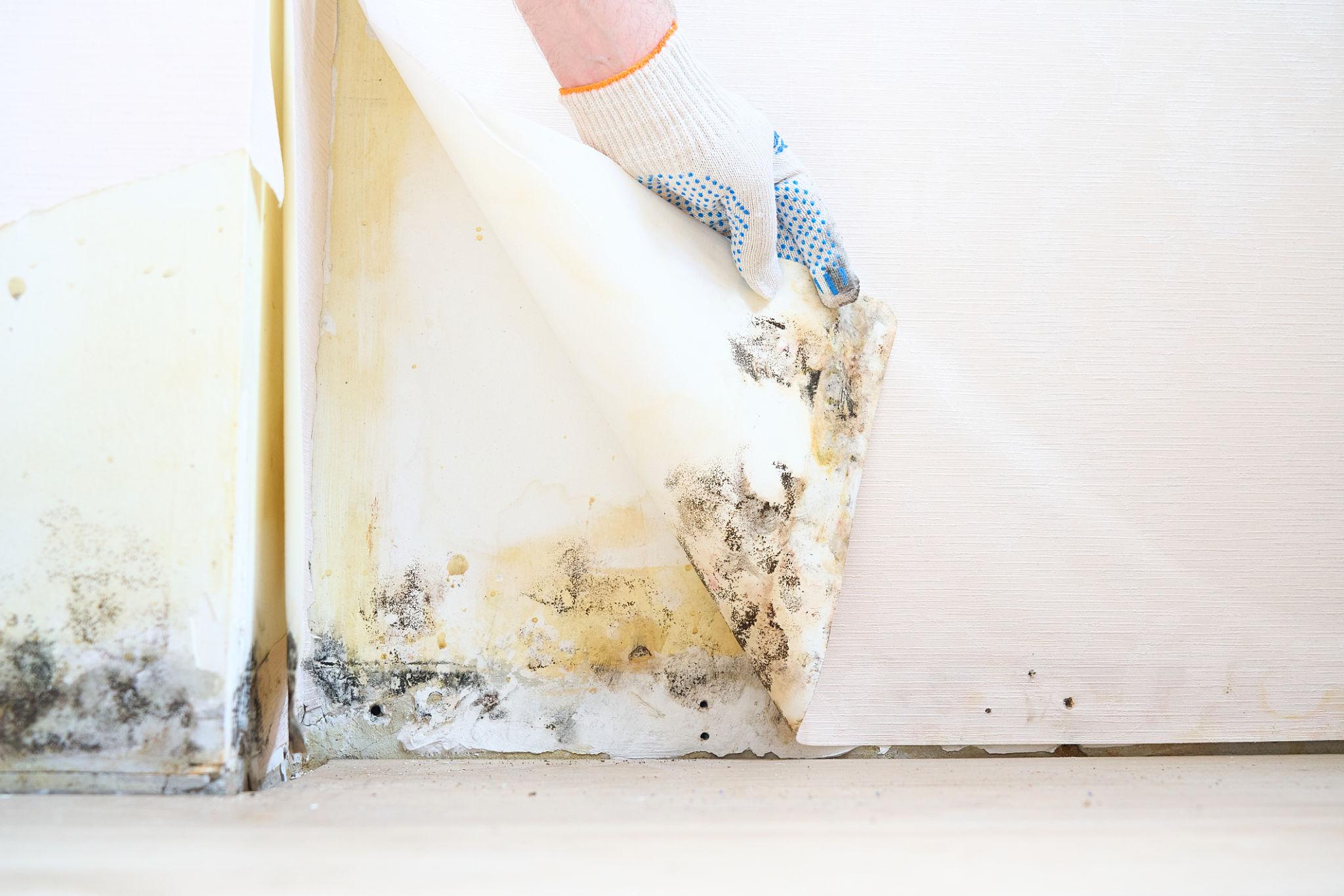
Common causes of indoor mold growth include roof leaks, plumbing failures, flooding, condensation around HVAC systems, and poor ventilation in bathrooms or kitchens. In many cases, mold grows in hidden spaces such as wall cavities, beneath flooring, or above ceiling tiles. Because of this, property owners may first notice warning signs such as musty odors, discoloration on walls or ceilings, or increased allergy symptoms among occupants.
Addressing these issues early is important. When left untreated, mold can spread to additional areas of the structure and increase the cost and complexity of remediation.
Step 1: Inspection and Moisture Assessment
Every remediation project begins with a detailed inspection. During this phase, professionals evaluate the building to determine the extent of contamination and identify moisture sources that may be contributing to mold growth.
Visible mold growth, water intrusion points, and environmental conditions are all documented during the inspection. Understanding both the contamination and the moisture conditions allows remediation professionals to develop a targeted and effective plan for resolving the issue.
Step 2: Developing a Remediation Plan
After the inspection is complete, a structured remediation plan is created. This plan outlines the procedures required to safely remove mold contamination and restore the affected space.
The remediation plan typically defines containment requirements, engineering controls for airflow management, material removal procedures, and cleaning methods. Establishing these steps in advance ensures that the remediation process is controlled and completed according to recognized industry practices.
Step 3: Containment and Air Control
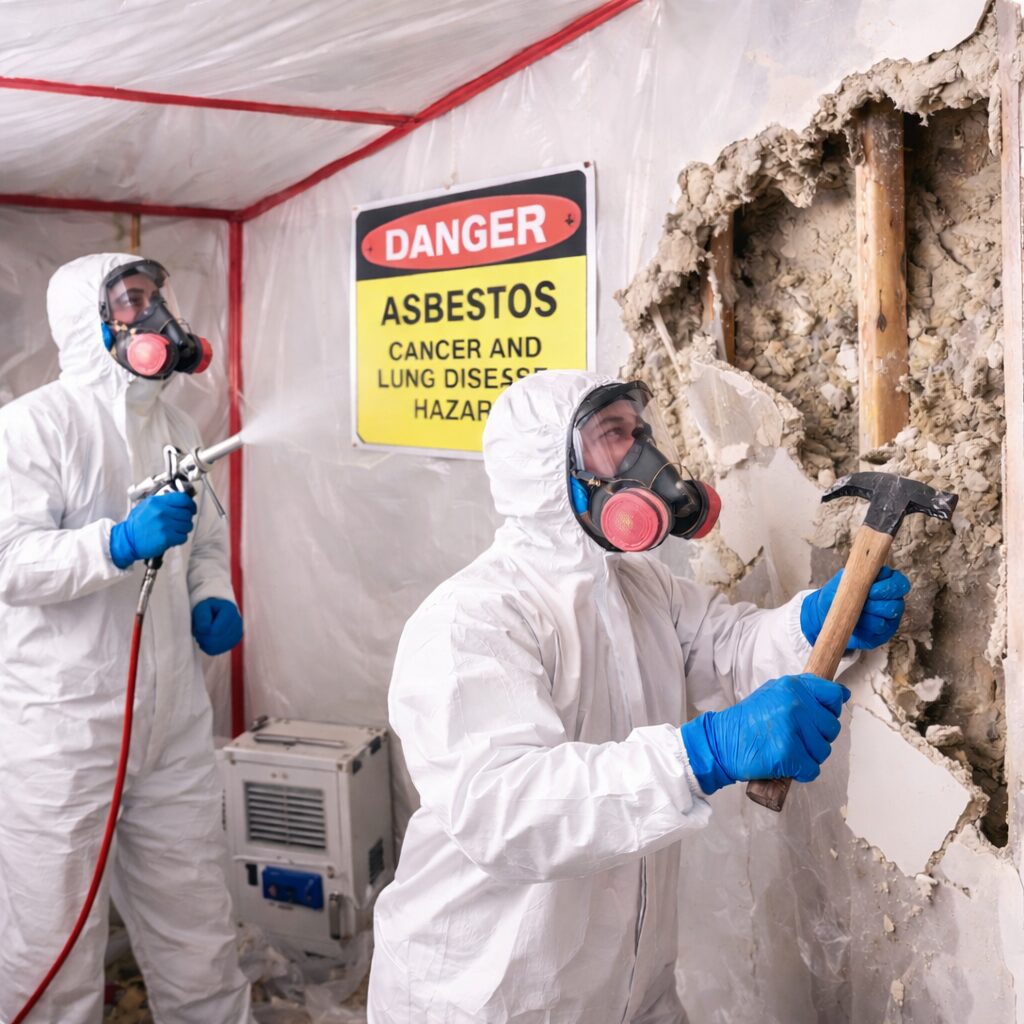
One of the most important aspects of mold remediation is preventing contamination from spreading to other parts of the building. Containment barriers are installed to isolate affected areas from clean spaces.
During remediation, HEPA-filtered negative air machines are often used to maintain controlled airflow. These systems help capture airborne spores and prevent cross-contamination while work is being performed.
Containment and air control are critical steps in protecting both building occupants and remediation workers during the cleanup process.
Step 4: Removal and Cleaning
Once containment is established, remediation professionals begin removing contaminated materials and cleaning affected surfaces. Porous materials such as drywall, insulation, and ceiling tiles that are heavily contaminated are typically removed and properly disposed of.
Non-porous and semi-porous surfaces may be cleaned and restored using professional remediation methods. These methods can include HEPA vacuuming, damp wiping, and mechanical cleaning techniques designed to remove mold contamination from building materials.
The goal of remediation is not simply to make surfaces appear clean but to eliminate contamination at its source.
Step 5: Moisture Correction and Prevention
A key principle in mold remediation is that mold problems are ultimately moisture problems. Without addressing the underlying moisture conditions, mold growth is likely to return.
As part of the remediation process, moisture sources are identified and corrective actions are recommended. These actions may include repairing leaks, improving ventilation, controlling indoor humidity, or addressing drainage issues around the property.
By correcting the moisture source and properly removing contamination, property owners can help maintain healthier indoor environments and reduce the likelihood of future mold growth.
Protecting Indoor Environments
Professional mold remediation is about more than removing visible mold. It involves identifying environmental conditions that allow mold to develop, safely controlling contamination, and restoring a building to a healthier condition.
Through structured remediation practices and industry-recognized standards, properties can be safely returned to normal use while reducing potential health risks and protecting the integrity of the structure.